The 5 Muscle Cars Poised to Skyrocket in Value by 2027
Identifying the next big thing in the collector car market requires a blend of historical context, auction data, and an understanding of generational shifts. For 2026 and 2027, the focus is moving beyond the million-dollar icons toward vehicles that offer a mix of analog engagement and untapped potential. While the absolute peak of the market remains stable, certain segments are finding new legs as younger buyers enter their prime collecting years.
The current market shows a distinct preference for “last-of-the-breed” machines. These are vehicles that represent the final chapter of a specific engineering philosophy, whether it is the last big-block V8s before the fuel crisis or the final manual-transmission performance cars of the early 2000s. Investors are increasingly looking for cars that were once considered used but are now being recognized as significant milestones in automotive history.
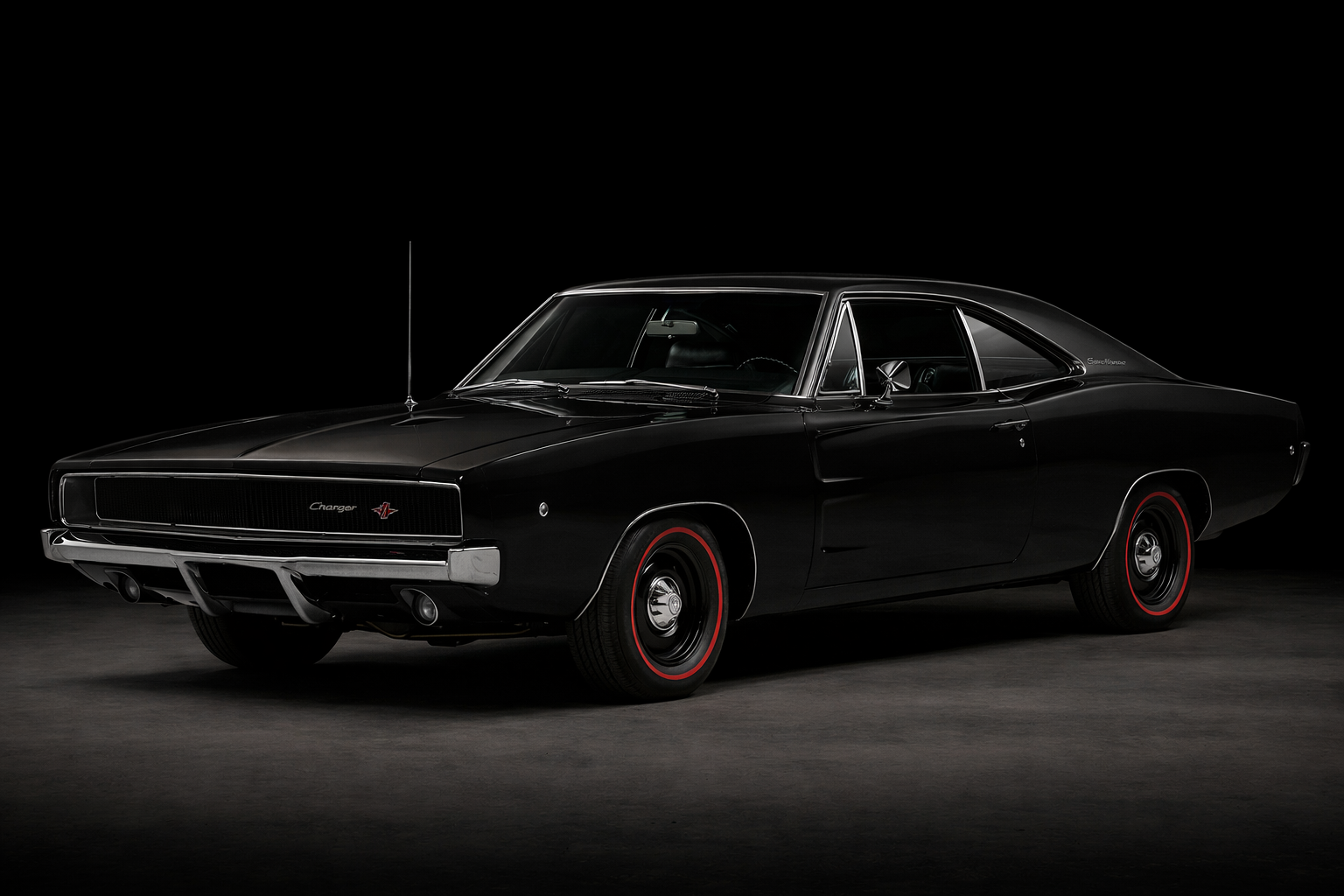
1. 1968–1970 Dodge Charger
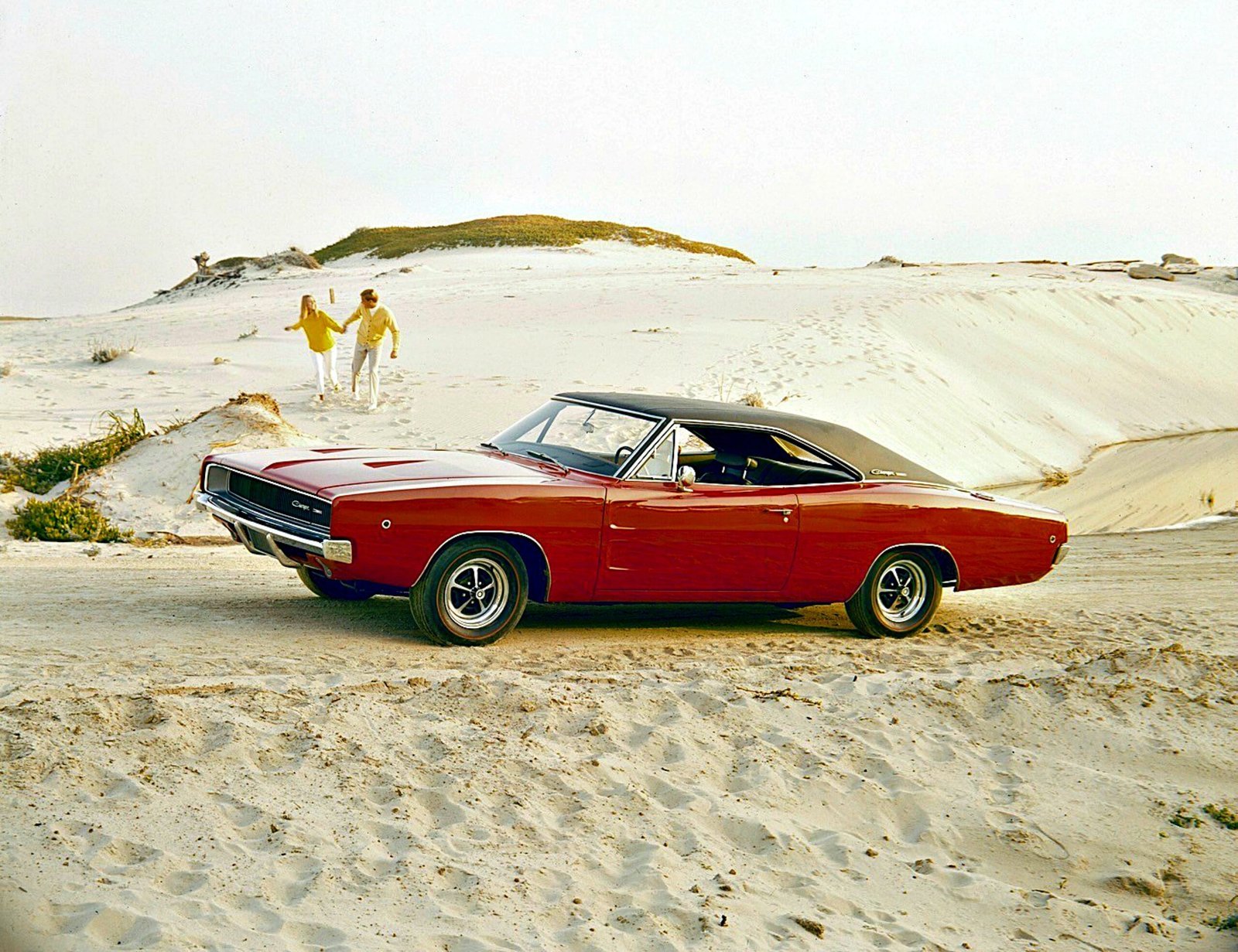
The second-generation Dodge Charger is perhaps the most iconic silhouette of the muscle car era. While top-tier examples like the HEMI and R/T models have always commanded high prices, recent market data indicates that “driver quality” examples in #3 condition are currently undervalued. These cars provide an entry point into Mopar royalty without the seven-figure price tag of a Daytona or a rare convertible.
What makes the 1968–1970 Charger a strong bet for 2027 is its multi-generational appeal. Hagerty reports that over 50 percent of the interest in these vehicles now comes from Gen X and Millennial buyers. This demographic shift ensures that demand will remain robust as these collectors seek out the cars they grew up seeing on screen. With values for “good” condition cars showing signs of a rebound after a brief plateau, the window to buy before the next major spike is narrowing.
2. 1985–1990 Chevrolet Camaro IROC-Z
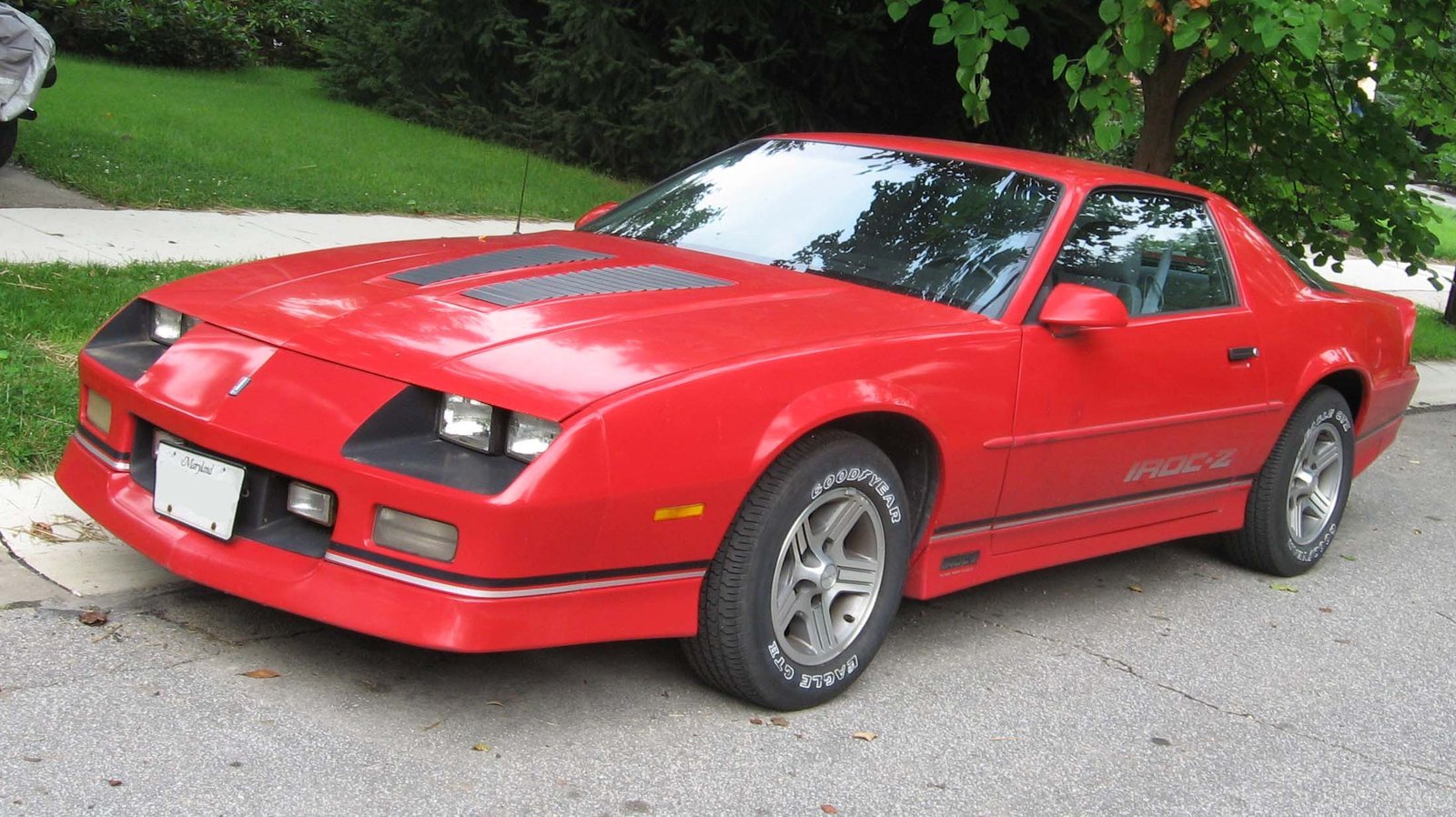
For years, the third-generation Camaro lived in the shadow of the Fox Body Mustang. That narrative is changing rapidly. The IROC-Z, named after the International Race of Champions, represents the peak of 1980s American performance. Its aggressive stance, “G-body” handling characteristics, and quintessential Rad-era styling make it a prime candidate for appreciation.
Current auction results show that low-mileage IROC-Zs are starting to break records, with some exceptional examples fetching over $80,000. However, well-maintained drivers can still be found for significantly less. As the 1980s nostalgia cycle reaches its zenith in 2027, these cars are expected to follow the same value trajectory that the 1960s muscle cars did two decades ago. The 5.7-liter L98 V8 models, in particular, are the ones to watch for the highest return on investment.
3. 1990–1993 Chevrolet 454 SS
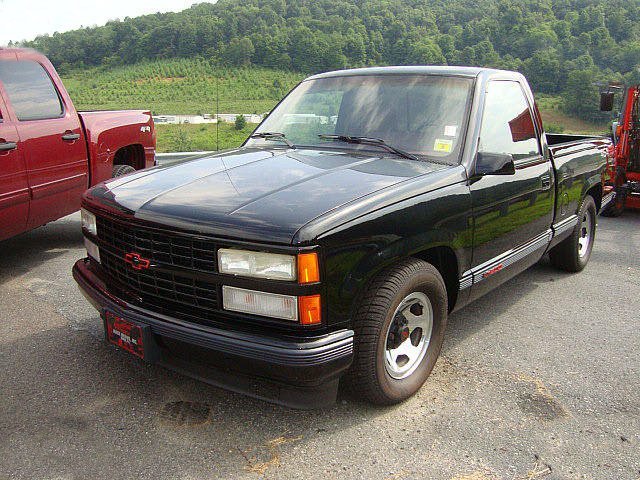
The concept of the muscle truck was perfected with the Chevrolet 454 SS. By dropping a massive 7.4-liter big-block V8 into a short-bed, regular-cab GMT400 pickup, Chevrolet created a straight-line monster that predated the modern performance truck craze. For a long time, these were viewed merely as used trucks, but they have officially transitioned into the collector category.
The 454 SS is poised to skyrocket because it hits a unique sweet spot: it is a big-block Chevy that is also a usable, reliable truck. Insurance data shows that new policies for these trucks are growing faster than the market average, particularly among buyers under 50. As the “modern classic” truck market continues to expand, the 454 SS stands out as the performance flagship of its era, making it a very safe bet for significant appreciation by 2027.
4. 2006–2013 Chevrolet Corvette Z06 (C6)
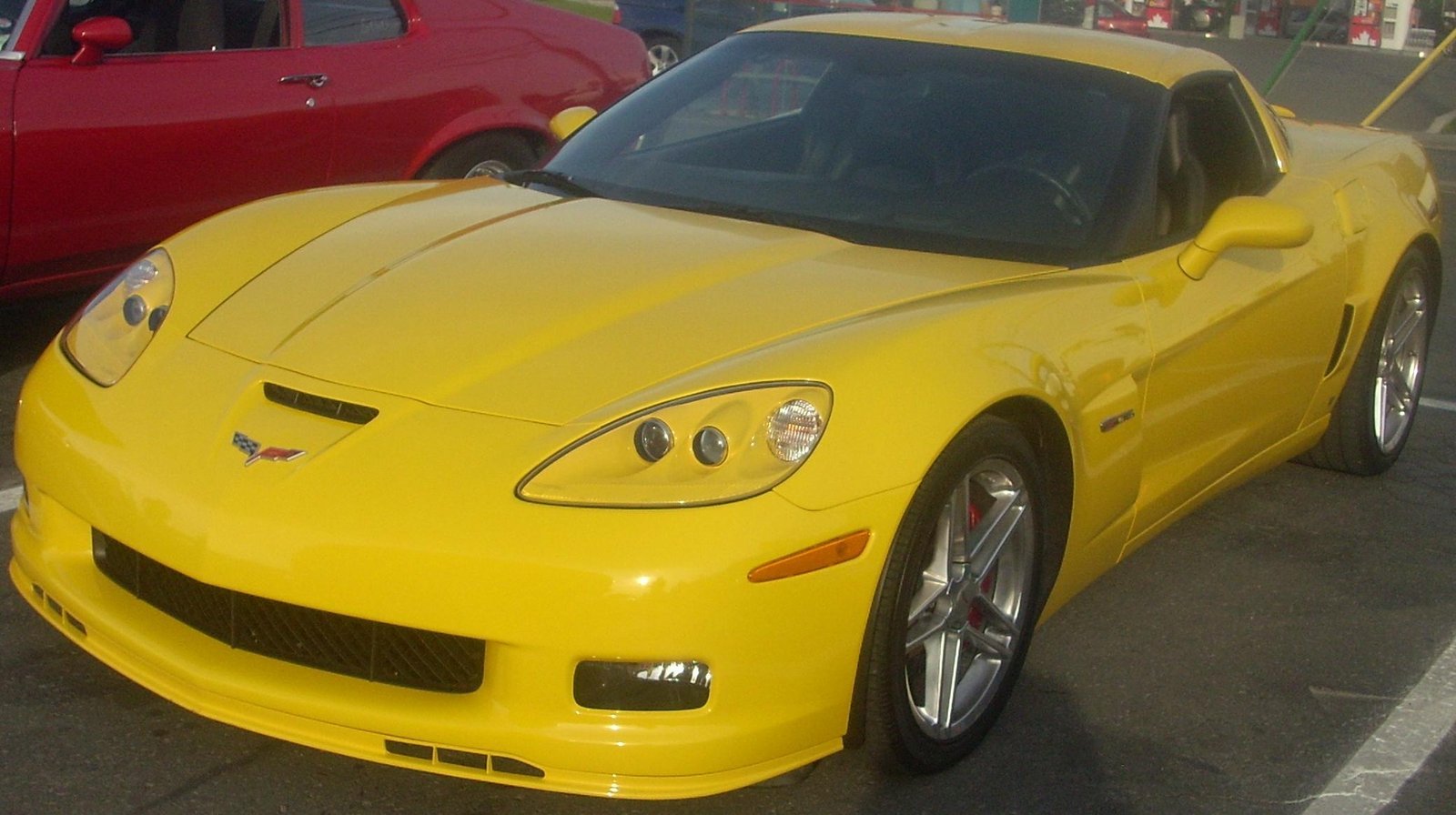
While some purists might debate the “muscle car” label for a Corvette, the C6 Z06 is undeniably a piece of American muscle at its core. It is powered by the LS7, a 7.0-liter (427 cubic inch) naturally aspirated V8 that produces 505 horsepower. This engine is a masterpiece of engineering and represents the largest displacement small-block ever produced by General Motors.
The C6 Z06 is currently in a “sweet spot” of its depreciation curve. It offers supercar-level performance for the price of a modern mid-sized sedan. As the industry moves toward smaller, turbocharged engines and electrification, the raw, analog experience of a 7,000-RPM, 427-cubic-inch V8 paired with a six-speed manual transmission is becoming increasingly rare. Collectors are beginning to recognize the C6 Z06 as a future hall-of-famer, and prices are expected to climb as enthusiasts scramble to secure the last of the great naturally aspirated Corvettes.
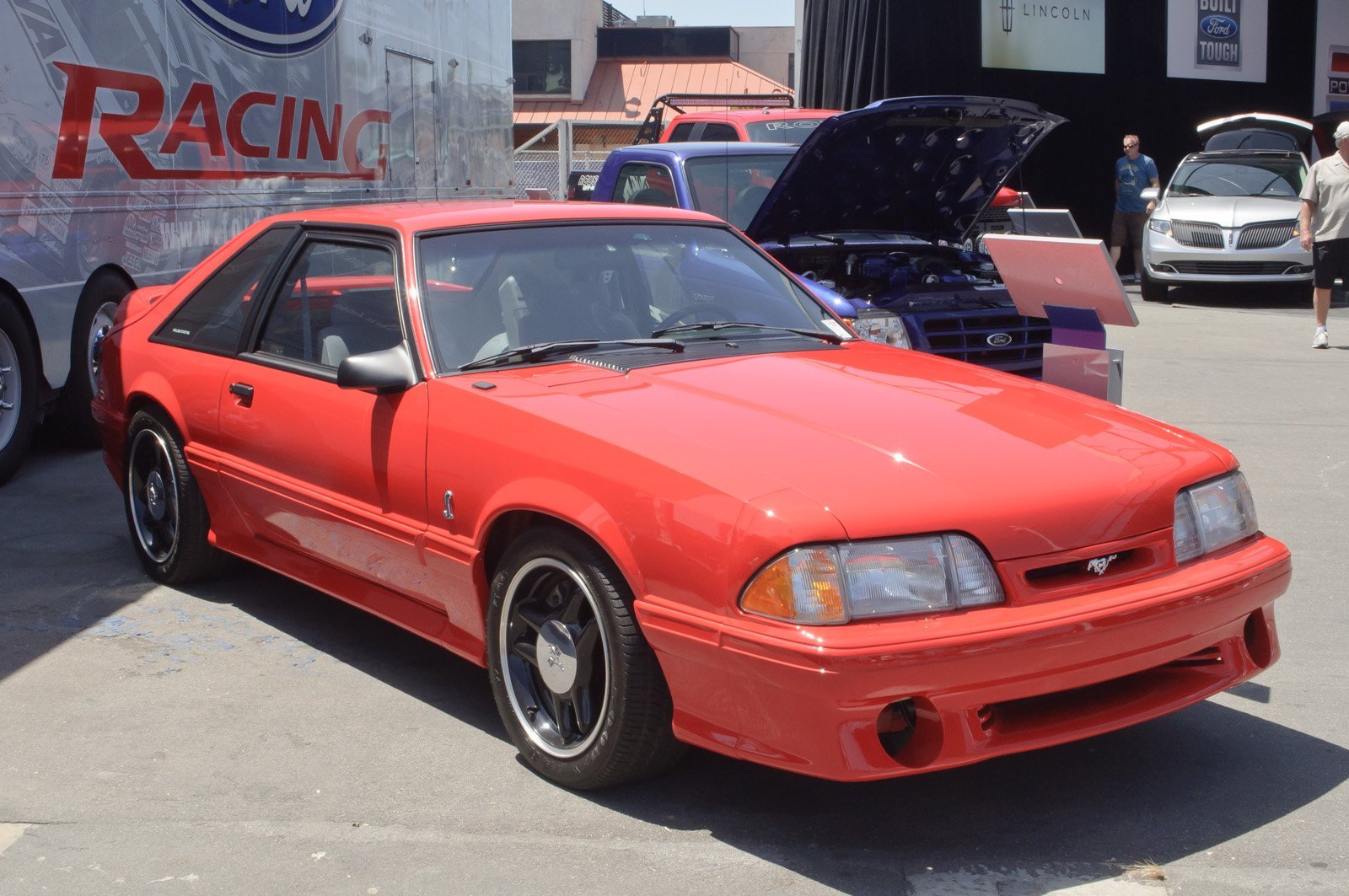
5. 1993 Ford Mustang SVT Cobra
The 1993 SVT Cobra was the grand finale for the Fox Body Mustang, a platform that defined a generation of American performance. It was the first project from Ford’s Special Vehicle Team and featured a host of upgrades, including GT40 cylinder heads and a unique intake manifold. Only about 5,000 units were produced, making it significantly rarer than the standard GT models.
The Fox Body market has been on a steady climb, but the 1993 Cobra is the “blue chip” investment of the family. Its historical significance as the start of SVT and its status as the ultimate evolution of the Fox platform make it highly desirable. With the 35th anniversary of the model approaching in 2028, the lead-up through 2027 is likely to see a surge in interest and value. Finding an unmodified, low-mileage example is the key to maximizing potential gains in this segment.
Key Indicators for Future Value
When evaluating these or any other muscle cars for investment, several factors remain constant. Rarity and documentation are the primary drivers of long-term value. A car with a verified service history and original equipment will always outperform a modified or neglected example. Additionally, keep an eye on the following trends:
Demographic Shifts: Watch what Gen X and Millennials are buying, as they are currently the most active segment of the market.
Originality: In a market filled with “restomods,” survivors with original paint and interiors are becoming increasingly valuable.
Manual Transmissions: As manuals disappear from new car showrooms, classic performance cars with three pedals are seeing a disproportionate increase in value.
The muscle car market is not just about the past; it is about capturing a specific driving experience that is no longer available in modern vehicles. By focusing on these five models, enthusiasts and investors can position themselves to benefit from the next wave of appreciation in the classic car world.