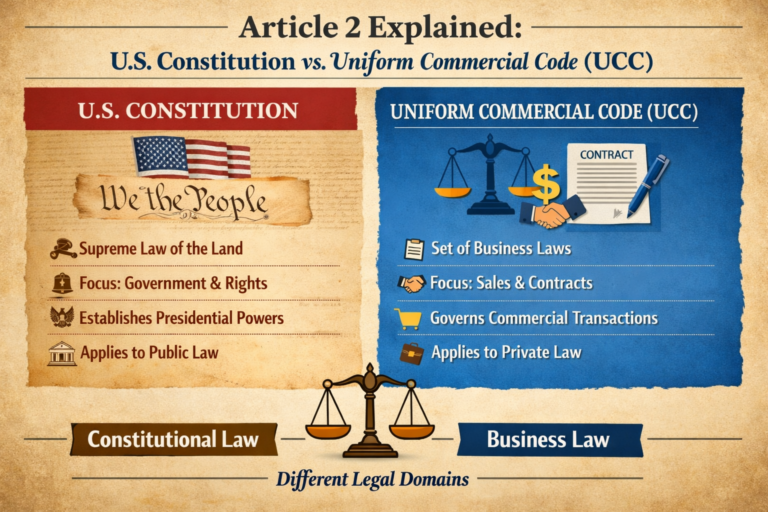
The Power of Article 1: How Opening Clauses Shape Constitutions and Human Rights
Table of Contents
When you open almost any foundational legal document, constitution, or international charter, the opening section sets the tone for everything that follows. That first section—Article 1—is rarely just procedural. In most cases, it reflects what the authors cared about most, or at least what they thought needed to be settled before anything else could function.
Whether you’re looking at the United States Constitution, the Universal Declaration of Human Rights, or the charter of a modern international body, that opening entry carries distinct weight. It tends to establish either where power comes from or what fundamental rights people hold simply by being born.
The Cornerstone of the U.S. Constitution
In the United States Constitution, Article 1 is dedicated entirely to the legislative branch: Congress. That wasn’t an accident or a coin toss. When the framers gathered in Philadelphia back in 1787, fresh off a war against a monarchy, the last thing they wanted was to put executive power at the front of the line.
They viewed the representatives of the people as the heart of a republic. Because of that, Article 1 is by far the longest and most detailed part of the original text. It lays out the structure of a bicameral legislature—the Senate and the House of Representatives—and spells out qualifications, elections, and how bills become law.
More importantly, Section 8 of that article lists specific powers granted to Congress. These include the power to:
- Collect taxes, pay debts, and borrow money on behalf of the nation
- Regulate commerce with foreign nations and among the states
- Coin money and establish standard weights and measures
- Declare war and support armed forces
Right at the end of that list sits the “Necessary and Proper Clause,” often called the Elastic Clause. For well over two centuries, legal battles have centered on what that single sentence actually permits. It gives Congress the flexibility to pass laws required to carry out its listed duties, and it remains one of the most debated pieces of text in American legal history.
Human Dignity in Global Law
Move away from government structures and look at international human rights, and Article 1 takes on a very different character. The Universal Declaration of Human Rights, adopted by the United Nations General Assembly in 1948, didn’t start with institutional rules or voting procedures. It started with human dignity.
The text reads simply: “All human beings are born free and equal in dignity and rights. They are endowed with reason and conscience and should act towards one another in a spirit of brotherhood.”
Written in the shadow of World War II, this opening wasn’t treated as legal boilerplate. The drafting committee, led by figures like Eleanor Roosevelt and René Cassin, understood that without a shared premise of equal human worth, none of the specific protections that followed—fair trials, asylum, freedom of speech—would hold any real weight. It serves as the moral premise for international law, asserting rights that exist independent of any local government’s permission.
Why the First Article Matters
Drafting an opening article forces authors to make a philosophical choice. Do you define the mechanics of power first, or do you define the rights of the individual? The difference tells you a lot about the anxieties of the era when the document was produced.
In 1787, the primary anxiety was building a workable government that wouldn’t slip into autocracy. The answer was detailed, procedural checks on federal authority, placed right up front. By 1948, after state powers had devastated millions of lives across continents, the priority flipped. The individual came first; the mechanics of states came later.
Understanding Article 1 in any context means looking at what a society decided it couldn’t afford to leave unsaid. It’s the starting line, and in legal writing, the starting line usually shapes every rule that follows.